Choosing Solar Panels for Canadian Gardens
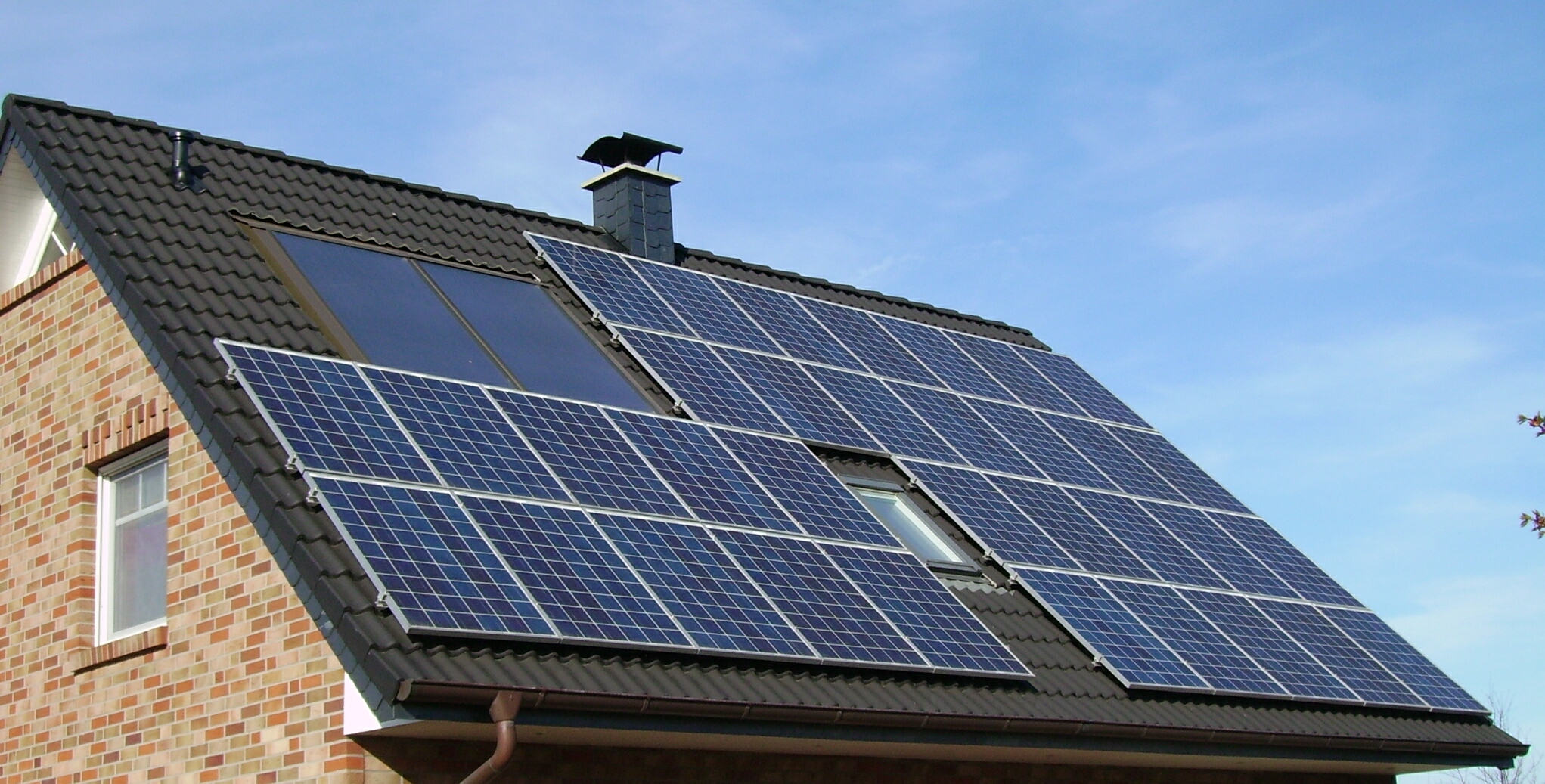
Selecting a solar panel for a Canadian garden application involves more than reading the wattage label. Canada's climate varies substantially from the mild Pacific coast to the continental interior, and the specifications that determine a panel's useful output in July in Vancouver are different from those that matter in January in Winnipeg. This article covers the variables that affect real-world performance in garden-scale systems.
Understanding Peak Sun Hours Across Canada
A peak sun hour is defined as one hour of sunlight at an irradiance of 1,000 W/m². A location that receives 4 peak sun hours per day collects the equivalent energy as if it had 4 hours of full-reference sunlight, regardless of whether the actual sunlight was spread over 12 hours at varying intensity.
Natural Resources Canada maintains solar irradiance data showing regional variation. Approximate annual averages for reference:
- Southern British Columbia (Vancouver area): approximately 3.5–4 peak sun hours per day on an annual basis, with lower values in winter months due to cloud cover.
- Southern Ontario and Quebec: approximately 3.5–4.5 peak sun hours annually, with higher summer values and low winter values.
- The Prairies (Calgary, Saskatoon, Regina): some of the highest values in Canada, reaching 4.5–5 peak sun hours annually, thanks to low cloud frequency.
- Atlantic provinces: approximately 3–3.5 peak sun hours, with significant seasonal variation.
- Northern territories: summer values can be high due to extended daylight, but winter values approach zero.
For precise local data, the CanmetENERGY solar resource maps from Natural Resources Canada provide downloadable irradiance figures by location and orientation.
Panel Types and Their Characteristics
Three cell types appear in garden-scale panels:
Monocrystalline Silicon
The highest efficiency type available in garden panels, typically 17–22% in modern products. Monocrystalline cells are cut from a single silicon crystal, giving them a uniform dark appearance. They perform well in direct sunlight and have a relatively modest performance reduction under high temperatures. For standalone panels (5–100 W range) used to power shed lighting or gate systems, monocrystalline is the standard choice where size or weight constraints apply.
Polycrystalline Silicon
Efficiency in the 15–18% range. Identifiable by the speckled blue appearance caused by multiple silicon crystal fragments. Polycrystalline panels cost slightly less per watt but require more surface area for the same output. They perform adequately in Canadian garden applications and are common in mid-range standalone garden light fixtures.
Amorphous (Thin-Film) Silicon
Lower efficiency (7–12%) but notable for better performance under diffuse or overcast light conditions. In coastal BC or Atlantic Canada where overcast days are frequent, an amorphous panel of adequate size can outperform a higher-efficiency crystalline panel of similar rated wattage, because the rated wattage is measured under standard test conditions (full sun) that rarely occur in those regions.
Temperature Coefficient — Why It Matters in Canada
Solar panel efficiency decreases as cell temperature rises above 25°C (the standard test temperature). The temperature coefficient, expressed as %/°C, describes this drop. A panel with a coefficient of −0.35%/°C loses 0.35% of output per degree above 25°C. On a dark summer day in southern Ontario where a roof-mounted panel might reach 65°C, that represents a 14% reduction from rated output.
Conversely, panels produce slightly more power at cold temperatures below 25°C — a benefit during clear spring and autumn days in Canada. However, this advantage is more than offset by snow covering the panel surface in winter, which reduces output to near zero regardless of the temperature advantage.
Sizing a Panel for Garden Applications
The sizing calculation for a standalone garden lighting system follows a straightforward sequence:
- Determine nightly energy consumption: multiply the LED load (in watts) by the hours of operation per night.
- Adjust for system losses: charge controller efficiency, battery charge/discharge efficiency, and wiring resistance typically reduce usable energy by 20–30% from what the panel produces.
- Divide the required energy by the local peak sun hours to determine the panel wattage needed.
- For Canada, sizing to the winter-month peak sun hours rather than the annual average is prudent if year-round operation is required.
As a practical example: a garden path lighting system with four LED fixtures drawing 2 W each, operating for 8 hours per night, consumes 64 Wh per night. With 25% system loss, the panel must produce approximately 85 Wh per day. At 3 peak sun hours (a conservative winter figure for southern Canada), the required panel is approximately 28 W. In practice, the next standard size up — 30 W or 40 W — provides a reasonable buffer.
Battery Sizing for Autonomy Days
Even a correctly sized panel cannot charge a battery during extended overcast periods. Specifying the number of autonomy days — the number of consecutive cloudy days the battery bank must sustain the load — determines battery capacity. For garden lighting in Canada, two to three autonomy days is a common target. In regions with frequent multi-day overcast events (Atlantic coast, Pacific coast in winter), three days is more appropriate.
Physical and Certification Considerations
For outdoor installation in Canada, panels should carry relevant certifications. The CSA (Canadian Standards Association) mark indicates compliance with Canadian product safety standards. For panels connected into any structure or used near occupied spaces, verifying compliance with applicable electrical codes in the relevant province is advisable. The Electrical Safety Authority in Ontario and similar bodies in other provinces publish guidance on what requires inspection and what falls within homeowner scope.

Mounting for Snow Shedding
Snow accumulation on the panel surface is a practical concern in most Canadian locations. Horizontally mounted panels accumulate snow and remain blanketed until a warm day clears them. Panels tilted at 30° or more tend to shed snow more reliably. In very cold conditions, snow that partially melts and refreezes can bond to the panel glass — wiping with a soft cloth (not a metal scraper) when safe to access is the standard clearing method. Some installations add a slight panel elevation above the frame edge to reduce snow retention at the lower edge.
What the Wattage Label Does Not Tell You
Panel wattage is measured at standard test conditions: 1,000 W/m² irradiance, 25°C cell temperature, AM 1.5 spectrum. Canadian field conditions match these criteria infrequently. In winter in most of Canada, peak daily irradiance rarely reaches 1,000 W/m² on a horizontal surface. When comparing products, reviewing the panel's performance at lower irradiance levels (200 W/m² or 400 W/m²) provides a better indication of performance during overcast conditions, and some manufacturers publish these curves in their datasheets.
For authoritative solar resource data relevant to Canadian garden installations, Natural Resources Canada's solar energy section and Canada.ca's clean energy resources are publicly available references.