Technology
How Solar Garden Lights Work
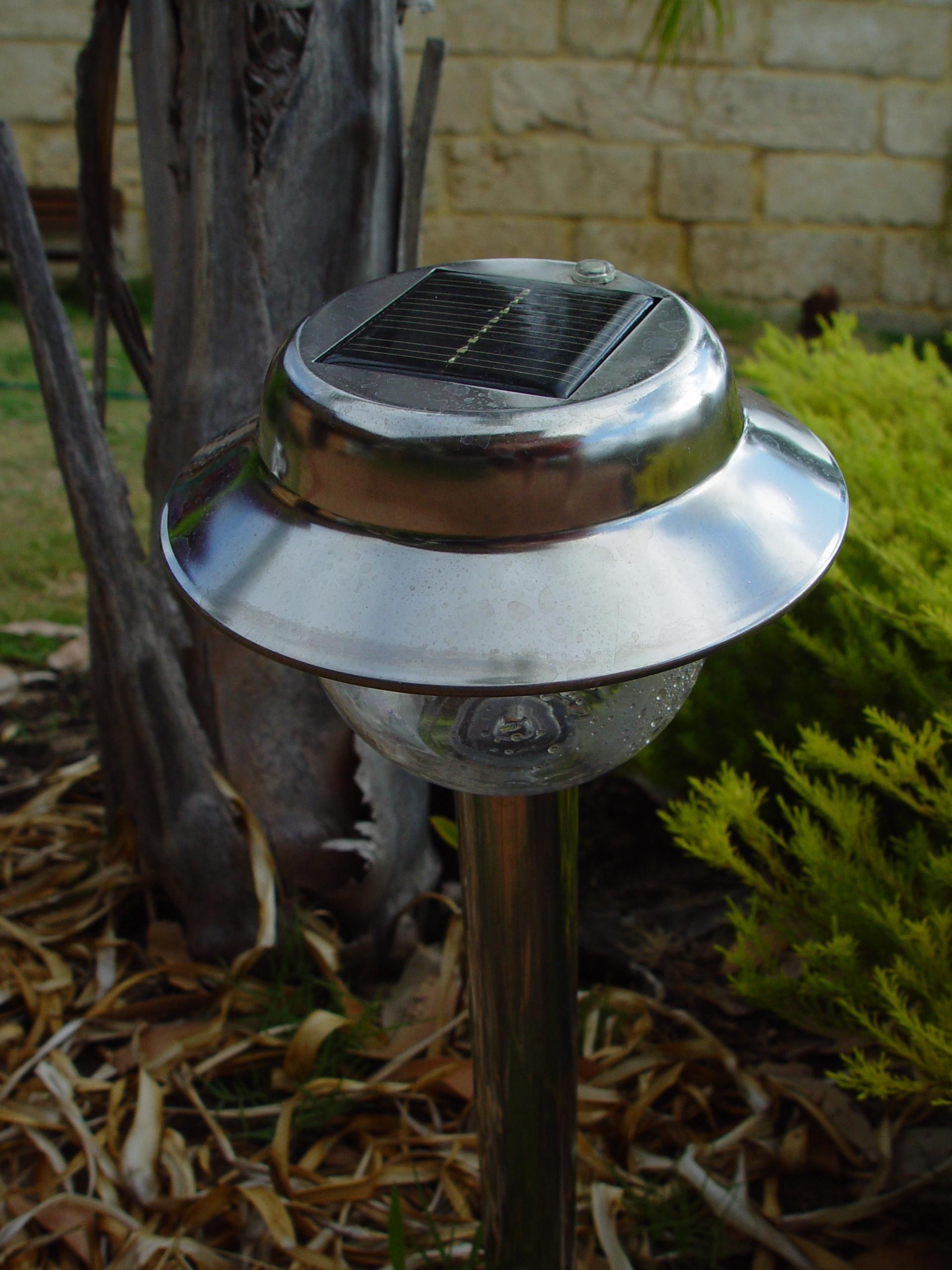
An explanation of the photovoltaic cell, NiMH and LiFePO4 battery chemistry, the charge controller circuit, and LED driver — and how these components interact across a full day-night cycle.
Read article ›A reference covering how solar garden lights function, what determines their performance in Canadian climates, and how to keep them running reliably through winter and beyond.

Topics
From photovoltaic fundamentals to winter maintenance schedules — practical detail for Canadian property owners and hobbyists.
Photovoltaic cells, charge controllers, battery types, and the LED driver circuit that links them into a self-contained lighting unit.
How solar irradiance hours vary across provinces, the effect of snow accumulation, and battery performance at sub-zero temperatures.
Panel angle, shading analysis, ground anchoring, and the wiring considerations that apply even to low-voltage outdoor systems.
NiMH versus LiFePO4 cells in garden-light applications, depth-of-discharge limits, and how to calculate how many consecutive cloudy days a unit can sustain.
Standalone panels in the 5–100 W range used for garden features, gate operators, and shed lighting without grid connection.
Seasonal inspection checklists, contact cleaning, panel surface cleaning, and battery replacement intervals based on discharge cycle count.
Articles
Detailed reference material on each aspect of solar garden lighting.
Technology
An explanation of the photovoltaic cell, NiMH and LiFePO4 battery chemistry, the charge controller circuit, and LED driver — and how these components interact across a full day-night cycle.
Read article ›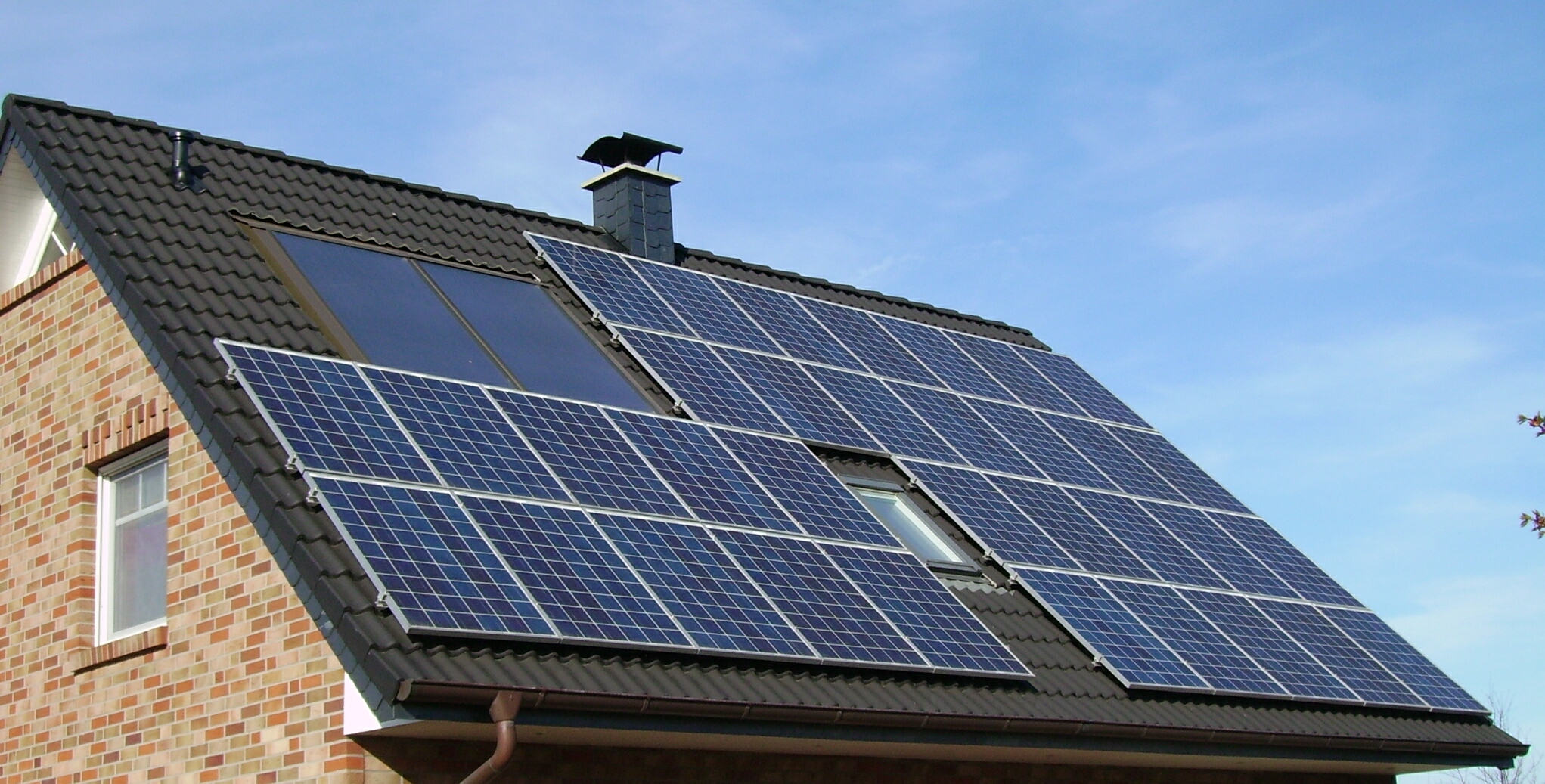
Selection
How peak sun hours differ from Vancouver Island to northern Ontario, what panel wattage is realistic for garden-scale applications, and what specifications matter at cold temperatures.
Read article ›
Maintenance
Seasonal upkeep tasks for outdoor solar systems: panel cleaning intervals, battery replacement indicators, connector corrosion checks, and winter storage decisions.
Read article ›Quick Reference
Most integrated stake lights use panels of 0.5–2 W combined with 600–1200 mAh NiMH batteries. In southern Canada, this provides 6–10 hours of LED runtime on a full summer charge. In December in central Canada, the same hardware may achieve only 3–5 hours due to reduced irradiance.
NiMH cells are common in low-cost stake lights and tolerate moderate cold. LiFePO4 cells are used in higher-end standalone systems; they maintain capacity closer to their rated value at temperatures down to −20°C, but cost more per watt-hour and require a compatible charge controller.
Natural Resources Canada publishes peak sun hour maps. Southern BC and Ontario average around 4 peak sun hours per day in summer. Northern territories drop to 2–3 in summer and near zero in winter. These figures directly determine how long a fixed-wattage panel needs to fully recharge a given battery.
Even low-voltage (12 V) outdoor systems must use weatherproof connectors rated for outdoor exposure. Canada's Electrical Safety Authority notes that outdoor low-voltage wiring should use CSA-certified conductors and connectors. Panel frames should be bonded to ground if installed on metal structures.